Dejar un mensaje

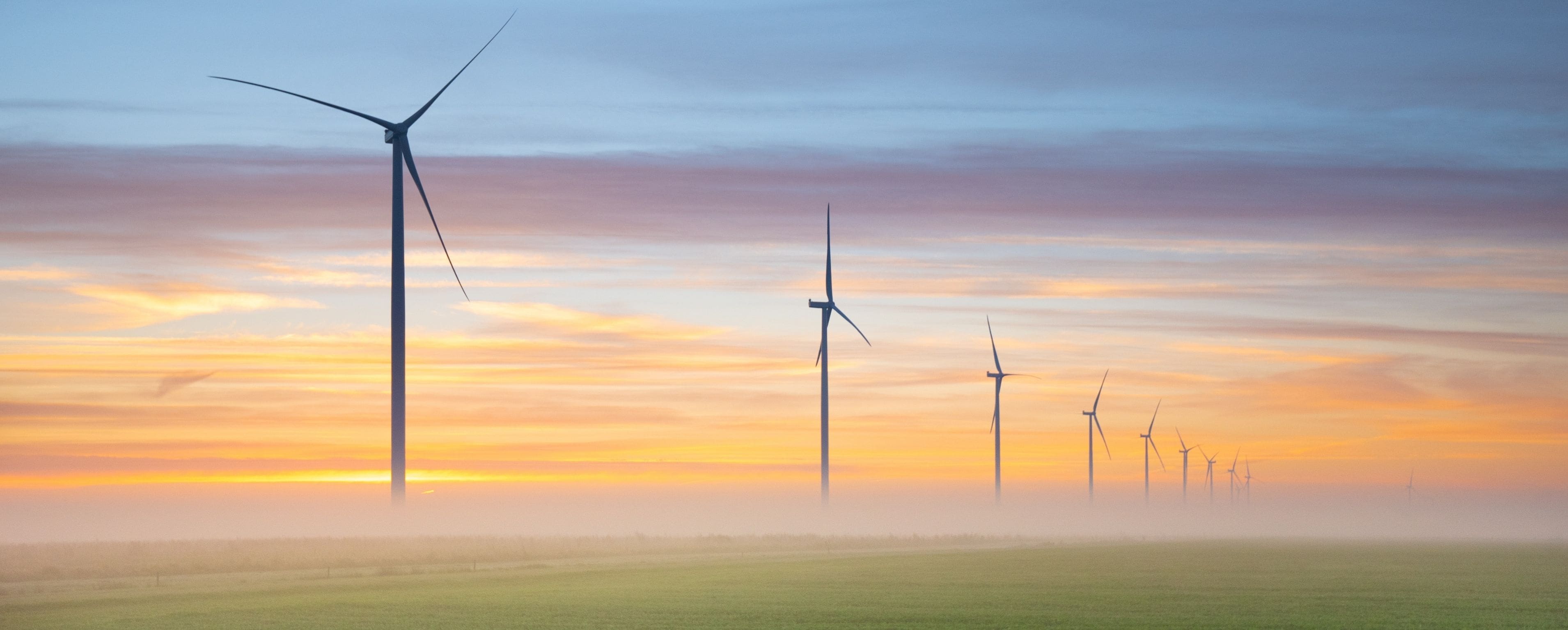
El futuro del amoníaco verde a pequeña escala en Brasil
Las ambiciones de Brasil en materia de amoníaco verde suelen medirse en gigavatios y millones de toneladas. Los grandes proyectos en Pecém y otros puertos podrían, a la larga, posicionar al país como proveedor internacional. Sin embargo, no son la única vía para el desarrollo de un mercado de amoníaco verde.
Las plantas más pequeñas pueden abordar un problema diferente: suministrar amoníaco y productos nitrogenados más cerca de las explotaciones agrícolas y los usuarios industriales brasileños. En lugar de esperar a que maduren la infraestructura de exportación y la demanda global, los proyectos distribuidos pueden generar demanda local, experiencia operativa y confianza regulatoria.
Las plantas pequeñas merecen un lugar
Es improbable que una pequeña planta de amoníaco ecológico iguale el coste de producción de un complejo de amoníaco fósil a escala mundial y en plena explotación. Por lo tanto, su valor debe medirse de forma diferente.
Una planta regional puede reducir la distancia entre la producción y el consumo, evitar algunos trámites portuarios y de distribución terrestre, y producir una forma de nitrógeno más adecuada para un usuario específico. Además, puede partir de una demanda local consolidada y expandirse por módulos, limitando así el capital invertido antes de que el mercado esté consolidado.
Este modelo es particularmente relevante en Brasil debido a la dispersión geográfica de los recursos renovables y la demanda industrial. La mejor ubicación para exportar amoníaco desde un puerto no es necesariamente la mejor para abastecer una cooperativa agrícola, una mina o una planta química ubicadas a cientos de kilómetros tierra adentro.
La agricultura es el punto de partida natural.
La agricultura ofrece el argumento más sólido para una implementación temprana. La EPE estima que Brasil consume alrededor de 40 millones de toneladas de fertilizantes al año y depende de las importaciones para aproximadamente el 96,4 % de sus necesidades de fertilizantes nitrogenados. La producción nacional solo ha cubierto alrededor del 5 % de la demanda de nitrógeno. Análisis de fertilizantes de EPE También identifica el flete como una de las variables que afectan la economía de la importación de amoníaco y urea.
Esto genera oportunidades que van más allá de la simple producción de amoníaco anhidro. Una planta regional podría suministrar solución de amoníaco, fertilizante de nitrógeno líquido o materia prima para otro producto de fabricación local. La producción puede ajustarse a la demanda real de las granjas, distribuidores o cooperativas cercanas.
Rio Grande do Sul está comenzando a probar este modelo. El proyecto Passo Fundo de BeGreen está diseñado para producir aproximadamente 2000 toneladas de amoníaco verde al año, mientras que el proyecto Tio Hugo tiene una capacidad máxima autorizada de unas 4360 toneladas al año. Ambos han obtenido licencias ambientales preliminares.
En julio de 2026, el promotor aún estaba finalizando el proceso de obtención de la licencia de instalación, y la construcción aún no estaba confirmada. El estado más reciente reportado Esto significa que no se trata de referencias operativas, pero son la prueba más clara de que la oportunidad que ofrece Brasil a pequeña escala ha trascendido el debate general.
Está surgiendo un modelo de colaboración local.
El proyecto Passo Fundo también sugiere cómo se podría desarrollar un sistema de amoníaco verde distribuido.
Su estructura integra a BeGreen, la Universidad de Passo Fundo, el gobierno municipal y el grupo japonés de ingeniería e inversión OC Global. El apoyo de la ciudad incluye disposiciones relacionadas con la infraestructura hídrica y las vías de acceso, mientras que la universidad proporciona terrenos, cooperación en investigación y desarrollo de personal. OC Global ha invertido en la empresa local encargada del proyecto. La divulgación de la empresa Presenta la planta como un modelo de producción y venta in situ, en lugar de una instalación de exportación.
Esta combinación aborda simultáneamente varias barreras iniciales: financiación, aceptación local, capacidad técnica, infraestructura y desarrollo de la demanda. Para los primeros proyectos, estas alianzas pueden ser tan importantes como la eficiencia del electrolizador o la tecnología de síntesis de amoníaco.
Oportunidades más allá de los fertilizantes
La agricultura es el punto de partida más visible, pero no el límite.
Las regiones mineras podrían utilizar amoníaco de producción local como materia prima para explosivos de nitrato de amonio. Las refinerías y plantas químicas podrían sustituir parte de su consumo convencional de hidrógeno o amoníaco sin necesidad de reconvertir inmediatamente toda la instalación. Los puertos podrían comenzar con demostraciones de combustible de amoníaco para buques portuarios, mientras que los desarrolladores de energías renovables podrían utilizar pequeñas plantas para probar la operación flexible y la integración de Power-to-X.
Estas aplicaciones están menos desarrolladas que los proyectos agrícolas, por lo que inicialmente deberían estar vinculadas a un usuario específico en lugar de diseñarse para un mercado futuro indefinido. Clústeres industriales como el Puerto de Açu ya están evaluando el amoníaco verde, el e-metanol, el e-SAF, los fertilizantes, los productos químicos y el acero bajo en carbono dentro de una plataforma de infraestructura compartida. Estrategia de desarrollo de Açu Ilustra cómo el amoníaco puede, en última instancia, conectar varias cadenas de valor.
¿Qué hace que una planta pequeña sea competitiva?
La producción de amoníaco verde a pequeña escala no tendrá éxito simplemente porque haya electricidad renovable disponible. Un proyecto viable necesita varias condiciones:
Los proyectos más sólidos compararán el costo total y el valor del servicio del producto final de nitrógeno, y no solo el costo del amoníaco en la planta.
Un pionero sudamericano
Brasil cuenta con la electricidad renovable, la demanda agrícola, la base industrial y el interés político necesarios para liderar un mercado distribuido de amoníaco verde en Sudamérica. El siguiente paso es convertir las primeras plantas autorizadas en referencias operativas fiables.
KAPSOM considera que los sistemas modulares estandarizados, con capacidades de entre 100 y 5000 toneladas anuales, desempeñan un papel práctico en esta transición. Las unidades de demostración pueden servir de apoyo a la investigación y a las pruebas industriales, mientras que las plantas con capacidades de entre 2000 y 5000 toneladas pueden satisfacer una demanda agrícola o industrial específica.
El futuro del amoníaco verde en Brasil aún podría incluir plantas de exportación con capacidad para millones de toneladas. Sin embargo, sus proyectos iniciales más influyentes podrían ser mucho más pequeños: producir localmente, atender a usuarios reales y crear un modelo que pueda replicarse en todo el país y, eventualmente, en toda Sudamérica.

 IPv6 RED SOPORTADA




Dejar un mensaje
Escanear a WeChat :
